Recognizing the Signs of Delirium During Hospitalization in Older Adults
Understand delirium and the steps you can take to support a loved one during and after a hospital stay.
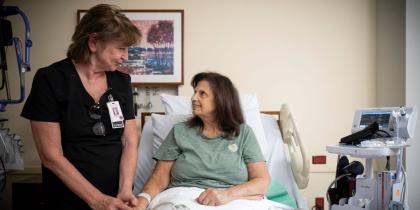
Hospitalization can be a very challenging time, especially for older adults. One frequent and common complication from hospitalization is delirium, which is the sudden development of confusion. For many years, we believed that this confusion was temporary and something that “just happens” to older people.
Here at the Aging Brain Center at the Hinda and Arthur Marcus Institute for Aging Research, under the leadership of Sharon K. Inouye, MD, MPH, Shirley F. Levy Family Chair and professor of medicine at Harvard Medical School, we focus on studying delirium. We have sometimes heard from family members of patients that their loved ones never fully recovered from delirium, and this has changed the way we think about it.
While common, delirium isn’t inevitable. Research has shown that up to 50% of cases can be prevented. Here’s why delirium is serious, plus the steps families and caregivers can take to reduce risk during a hospitalization:
What is delirium?
Delirium is a state of confusion that develops suddenly, often following an acute medical illness, surgical procedure, or hospitalization. It clouds a person’s mind, making it difficult to pay attention and focus on thoughts. Delirium is also common, impacting 2.6 million people annually in the United States, most often in the hospital. That translates to about five older adults every minute!
Unlike dementia, which is a chronic condition, delirium is temporary in most people. But while delirium is usually reversible, that doesn’t mean it’s harmless. It can be scary and overwhelming for those who experience it, and it can persist for weeks or even months after hospital discharge.
Additionally, studies have linked delirium to lasting health impacts such as a faster rate of cognitive and functional decline, post-traumatic stress disorder, and caregiver burden.
Symptoms of delirium
Symptoms of delirium differ from person to person and may come and go throughout the day. If your loved one experiences delirium, their symptoms may include:
- Difficulty understanding what is happening around them
- Confusion about daily events, routines, and who people are
- Saying things that don’t make sense
- Personality changes
- Seeing or hearing things that are not there
- Thinking that people are trying to harm them
- Becoming quiet, withdrawn, stressed, anxious, or hyperactive
- Changes in sleeping or eating habits
Delirium and dementia
While delirium and dementia share many of the same symptoms, including problems with memory and thinking, confusion, and changes in personality or behavior, they aren’t the same. Delirium is a condition that comes suddenly, and symptoms can change drastically throughout the day, while dementia symptoms start gradually and tend to progress over months to years.
Dementia and delirium can overlap. People living with dementia are at greater risk of developing delirium during hospitalizations. Meanwhile, people who develop delirium in the hospital are more likely to experience dementia. We have found that patients who developed delirium after major surgery have a 40% faster rate of cognitive decline than those who do not develop it.
One of our colleagues, Dae Hyun Kim, MD, MPH, ScD, associate director and senior scientist at the Marcus Institute, was recently part of a team that studied patient and caregiver experiences with surgical decision-making in the context of dementia. He found that for families already managing dementia, surgery decisions involve considering uncertain tradeoffs, including the risk of delirium.
“After a surgery, the risk of developing delirium is much higher in people with dementia. Deciding whether to fix a medical problem like a bad joint, while weighing the risk of long-term functional decline or delirium as a result, isn’t easy — especially since delirium in dementia patients can take a longer time to reverse or may accelerate cognitive decline. The challenge of anticipating these risks was a key theme that emerged from conversations with patients and caregivers,” he explains.
What makes someone more likely to develop delirium?
Over the years, we’ve learned that some risk factors are present before someone is admitted to the hospital, while others can develop during a hospital stay.
Pre-existing risk factors for delirium include:
- Older age
- Existing dementia or cognitive impairment
- Vision or hearing impairment
- Severe illness at the time of hospital admission
- Multiple chronic health conditions
- Dehydration
Hospital-related risk factors include:
- The use of physical restraints
- Malnutrition
- The use of multiple medications (polypharmacy)
- Sleep deprivation
- Immobility or prolonged bed rest
- Complications related to medical care
How families can help prevent and detect delirium
When a family member is hospitalized for a surgery or illness, there are some steps caregivers and families can take that may reduce their risk of delirium. After a hospital stay, you can play an important role in spotting signs of post-operative delirium if they develop at home.
Here are some tips on how you can provide support:
Before and during a hospital stay
Coming to the hospital prepared can make a big difference. Bring a complete list of all your loved one’s medications, including dosages and how often they’re taken. It is also helpful to prepare a “medical information sheet” listing allergies, known medical conditions, and contact information for their physicians and pharmacy.
Bring any glasses, hearing aids, dentures, and a familiar object from home. Make sure they eat, drink, and sleep as best as possible while in the hospital.
Staying with them in the hospital as much as possible, especially if they’re at high risk or develop delirium, is key when caring for a family member. Playing soothing music and maintaining a quiet, peaceful environment can also be helpful if delirium symptoms emerge.
Staying alert to changes after discharge
Delirium isn’t always spotted when someone leaves the hospital. Symptoms can come and go; there may be periods without symptoms, or they may not be noticed until hospital discharge. That can make some changes easy to miss in busy hospital settings, with studies suggesting delirium goes undetected in as many as 30 to 60% of cases.
That’s one of the reasons why Dr. Inouye developed the Confusion Assessment Method, or CAM — a tool used around the world that helps clinicians quickly and accurately identify delirium. Even more recently, we created a version designed for families and caregivers to assess delirium at home: the Family Confusion Assessment Method, or FAM-CAM.
In a recent study of more than 800 older adults undergoing major elective surgery, family members used FAM-CAM both in the hospital and during the 30 days post-discharge. Families were able to identify additional cases of delirium at home, about half of which had not been diagnosed at the hospital.
Families often know what is “normal” for their loved one better than anyone else. When they notice subtle changes in their attention, alertness, or behavior, that insight can be critical. With tools like FAM-CAM, families can be essential partners to health care providers in recognizing delirium early and ensuring their loved ones receive timely care.
Recover after a hospitalization at Hebrew Rehabilitation Center
Choosing the right short-term rehabilitation after your hospital stay can make a meaningful difference in your recovery.
At Hebrew Rehabilitation Center in Boston and Dedham, our short-term skilled nursing rehabilitation units provide 24/7 medical care and specialized support for older adults recovering from surgery, stroke, heart conditions, or other complex illnesses. Each of our patients receives an individually crafted plan from an integrated team of experts who specialize in the care of older adults, including the physical, emotional, and spiritual well-being of each person who stays with us.
Our admissions team is here to help you, whether you’re a potential patient, a family member, or a senior care professional. We can guide you through the next steps and help you explore short-term rehabilitation options to support a safe recovery after hospitalization. Contact Hebrew Rehabilitation Center today to learn more.
Tamara G. Fong, MD, PhD, also contributed to this blog post.
Blog Topics
Learn More
Hebrew Rehabilitation Center
Hebrew Rehabilitation Center provides skilled care and support after illness or surgery and offers long-term chronic care and specialized care for those with memory loss.

Post-Acute Rehabilitative Care
Hebrew Rehabilitation Center in Boston and at Newbridge on the Charles in Dedham, MA, offers specialized care to older adults recovering from a surgery, complex illness, or hospital stay.